
DRAG

You can send us any questions via our online form located here.

Get In Touch

img

Cardinal Creek Village Sales Office

(613) 830-8467

img

Findlay Creek Sales Office

(613) 822-1101

img

The Meadows Sales Office

(613) 692-0500

img

Idylea & Westwood Sales Office

(613) 831-1357

img

Kingston Sales Office

(613) 701-4000

Subscribe Now

    Homeowner Guide

    Homeowner Guides

    Welcome to the world of homeownership! 

    Finally moving into your new home is a major milestone in life and one that helps lay the foundation for your future. However, owning a home is a big responsibility requiring regular care, maintenance, and upkeep. This doesn’t have to be a daunting task as with a little planning and regular care, you can keep your home functional and in top shape for years to come. We have assembled this comprehensive guide to cover everything a homeowner should know including routine maintenance, cleaning, long term upkeep, seasonal care, and energy efficiency.

    Routine Maintenance Habits

    Even the newest builds require regular ongoing care. Routine maintenance is about more than just tidying for the sake of tidying, it’s about preventing small problems now before they become costly repairs later. Some areas of your home will require more care than others which is why it’s handy to plan a schedule of what you should work on and when, to make sure nothing is missed.
    Some Examples of Monthly Tasks:
    • Check/Change HVAC Filters: Dirty HVAC filters can make your system work overtime by restricting airflow. This in turn increases wear and overall energy costs. Disposable filters should be replaced every 1-3 months for maximum effectiveness while reusable filters can be removed and cleaned as needed.
    • Inspect For Leaks: Anywhere water is present in your home such as bathrooms or kitchens need to be regularly inspected for any leaks or damage. Even a slow, small drip can lead to water damage and mold growth. The longer this is allowed to go on for the higher your repair costs and more severe your damages will become.
    • Inspect Smoke/Carbon Monoxide Detectors: One of the most important safety features in any home are the smoke and carbon monoxide detectors. Simply pressing the test button on the alarm once a month will help to ensure they’re both in working order. A good rule of thumb is to swap their batteries every 6 months or so.
    • Run Water In Seldom Used Areas: Certain areas in the home may be used less than others such as a guest bathroom or utility room sink. To prevent plumbing traps from drying out and releasing sewer gasses, try occasionally running water a couple times a month.
    • Caulking: Check around tubs, showers and sinks for any cracks or peeling in the caulking. Re-caulk as needed to prevent moisture seepage and damage.
    Some Examples of Quarterly Tasks:
    • Vents: Inspect vents especially in the kitchen and bathrooms each season. Remove any dust or grease buildup to improve air circulation and prevent fire hazards.
    • Doors and Windows: Check weatherstripping and seals and replace any required to improve energy efficiency.
    • Flush Water Heater: Sediment can sometimes accumulate at the bottom of your water heater reducing efficiency and shortening the lifespan. To prevent this a regular flush at the start of each season can be helpful.
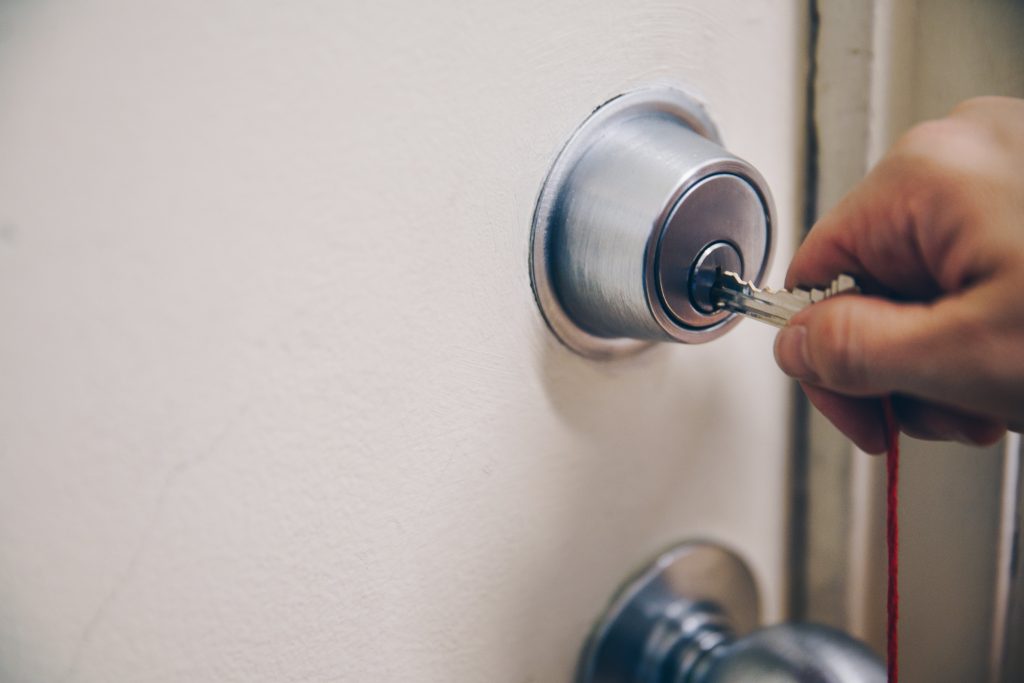
    • Lubricate Hinges/Locks: Lubricate any hinges or locks using a silicone spray or a light oil to prevent squeaks and rust. This is also helpful for dealing with any sticky locks around your property.
    Some Examples of Annual Tasks:
    • HVAC Tune-Up: Schedule an HVAC tune-up to ensure systems continue to run smoothly.
    • Roof Inspection: An annual thorough inspection of your roof for any damaged shingles, missing sealant, or flashing can help to prevent leaks and damage.
    • Plumbing Inspection: Have your plumbing inspected by a professional for leaks, corrosion, or slow drains.

    A simple and effective way to keep track of your maintenance duties is with a simple calendar to mark important reminders.

    Cleaning & Care

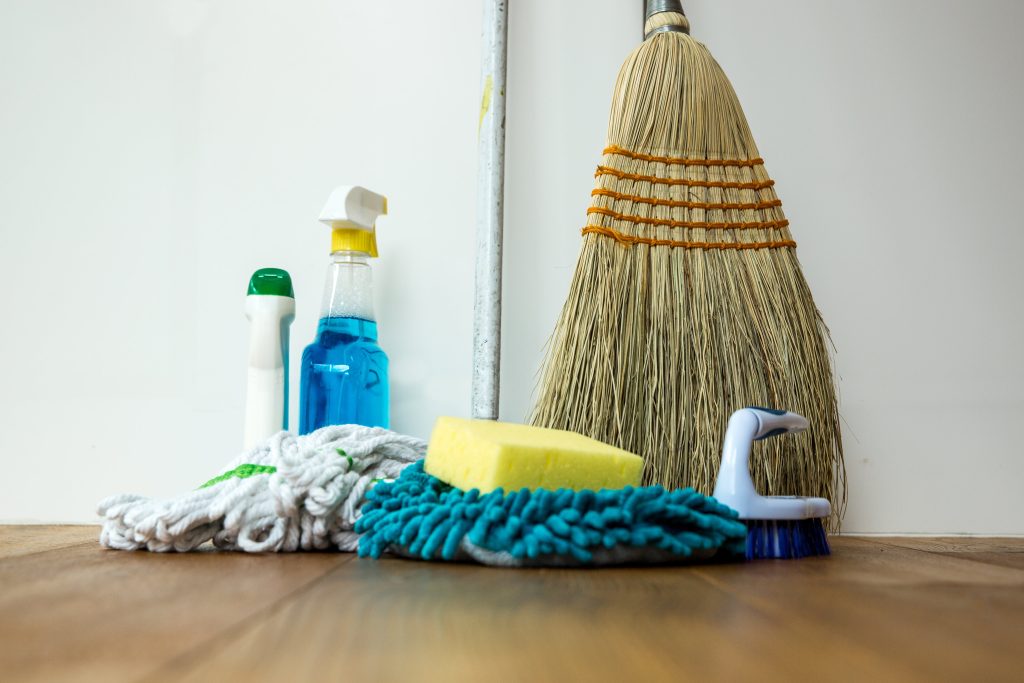
    Your new home features beautiful finishes, appliances, and all your belongings. Regular cleaning not only keeps your home looking as great as the day you bought it, but also extends the life of everything inside.
    Floors
    • Hardwood: Ensure you sweep or vacuum regularly while using a damp (not wet) mop. Avoid using large amounts of water or harsh cleaning products which can damage and warp the wood.
    • Tile and Grout: Use only pH-neutral cleaners. Re-seal grout lines annually to prevent stains and moisture penetration.
    • Carpets: Vacuum your carpets every week or so and consider scheduling a professional deep clean once or twice per year.
    Surfaces
    • Cabinets: Clean with a mild soap and water solution. Avoid products with ammonia and excessive amounts of cleaner which can damage finishes.
    • Countertops: Ensure to use non abrasive cleaners that are suitable for your surface type. Wipe up any spills quickly and thoroughly to prevent staining.
    • Appliances:
      • Refrigerator: Remove and wipe down shelves and interior annually.
      • Dishwasher: Run a rinse cycle with a bit of vinegar to remove any buildup.
      • Oven: Many ovens feature a self cleaning feature that can be helpful for regular cleaning. Use a baking soda pasta solution to remove any stuck residue.
    Bathroom
    • Exhausts: Clean fans and exhaust monthly to prevent grease and moisture buildup as well as promoting airflow.
    • Mirrors/Glass: Wipe down any glass or mirrors regularly with a cleaning solution to prevent any streaks or water marks.
    • Toilet: For a deeper clean consider using a vinegar and baking soda mix in the bowl.
    • Shower/Bathtub/Sink: Clean shower heads and drains to remove and hard water buildup or grime. Use an old toothbrush with some baking soda and hydrogen peroxide to scrub grout lines and or clean any small and hard to reach areas.

    Keep a running list of once a year deep cleans to make sure they’re taken care of. This can include tasks like washing curtains, wiping baseboards, or cleaning behind appliances. Spreading these deep cleaning tasks out over the year can help to make them more manageable.

    Exterior Maintenance & Care

    The exterior of your home is constantly exposed to the harsh elements. Regular upkeep prevents weather damage and keeps your curb appeal high. Summer is the perfect time to tackle these outdoor areas.

    Some key areas to focus on are:
    Roof and Gutters
    • Inspect your shingles for any missing or curling shingles and promptly make any necessary repairs.
    • Clean your gutters a couple times per year, especially after the fall season, to prevent water damage.
    • Extend downspouts at least 5-6 feet away from the foundation to ensure proper drainage.
    Exterior Walls
    • Wash down your exteriors annually to remove any dirt, algae, or mold.
    • Inspect for any cracks, peeling paint, or loose panels and promptly make any necessary repairs. Repaint or re-seal wood siding every 5-7 years or so.
    Windows and Doors
    • Inspect seals around any exterior doors and windows to ensure they are still in good condition. Replace any seals as needed to prevent drafts.
    • Clean glass, frames, and screens a couple times per year to remove dirt and buildup.
    Driveway and Walkways
    • Seal asphalt driveways every 2-3 years or so.
    • Remove any weeds that have grown through and seal any small cracks before winter to prevent larger damages from freezing and thawing.
    Landscaping
    • Aim to keep trees trimmed back 3 feet or more from your house to prevent moisture buildup or pest problems.
    • Maintain proper grading around your home’s foundation to ensure water flows away from your home.
    • Fertilize or aerate your lawn seasonally for healthy growth.

    Energy Efficiency Tips

    Adopting simple energy efficient habits can help make your home more comfortable while saving you hundreds of dollars annually on your utility bill.

    Some simple energy efficiency tips include:

    • LED Lighting: Upgrading to LED lighting can save both on energy and replacements. LED lights use 75% less energy on average and last significantly longer.
    • Ceiling Fans: The use of ceiling fans in summer can help to efficiently cool your home as opposed to solely using air conditioning.
    • Unplugging Electronics/Appliances: When not in use or when leaving home for a few days, consider unplugging some less important appliances and electronics. These can draw power even when off.
    • Window Coverings: Closing blinds on hot summer days can help to reduce the amount of direct sunlight your home’s interior receives helping to reduce cooling costs.
    • HVAC Maintenance: It is imperative to clean filters, clear vents, and schedule professional servicing to prevent overuse.
    • Smart Thermostat: A smart thermostat learns your habits and adjusts your home’s heating and cooling automatically. These devices can often save you 10-20% annually on energy bills.

    Safety & Security

    Your home is your safe haven and your safety is just as important as your comfort.

    Safety Essentials:
    • Keep a fire extinguisher on each floor (especially near the kitchen) in an easily accessible area.
    • Keep first aid supplies such as bandages, medications, and gauze handy.
    • Keep a couple flashlights in readily accessible locations.
    • Label your main water shutoff valve and breaker panel.
    • Store any important documents (warranties, mortgage, insurance, etc.) in a waterproof folder or digital backup.
    Security Tips:
    • Change all locks after moving in.
    • Install smart doorbells or security cameras.
    • Use motion sensing exterior lights.
    • Get to know your neighbors as a well connected community enhances safety.
    Emergency Prep:
    • Have an emergency escape plan and discuss exit routes from each room with your family members.
    • Keep a supply of bottled water, canned foods, and extra batteries for power outages and emergencies.

    Seasonal Homeowner Checklist

    Staying ahead of the changes in season can help you prevent sudden and costly repairs.

    Spring
    • Inspect your roof, siding and foundation for leaks or damage from winter.
    • Clean windows, screens, and vents.
    • Flush the hot water tank and inspect the sump pump.
    • Service your air conditioning system before summer arrives.
    Summer
    • Trim away any trees or brush from the side of the home. Aim to trim trees back 3 feet or more to prevent pest issues.
    • Inspect decks, fences, and other wooden structures of wear or rot.
    • Test outdoor faucets and irrigation systems.
    • Check caulking around windows and doors for any cracking or damage and reapply as needed.
    Fall
    • Clean debris such as leaves or twigs from gutters and downspouts.
    • Completely drain any garden hoses and shut off outdoor water valves.
    • Service your furnace and replace any filters as needed.
    • Check insulation and weatherstripping before the cold winter hits.
    Winter
    • Keep your walkways clear of snow and ice. Use safety salt if necessary to prevent ice buildup on high traffic areas.
    • Monitor for any drafts particularly near windows or doors and promptly repair.
    • Check for any signs or frost or leaks especially in attic and basement spaces.
    • Run ceiling fans in reverse to help circulate warm air.

    Helpful Long Term Tips

    A few simple tips can make your homeownership journey easier and more rewarding. Some other useful tips include:

    • Keep a homeowner journal with maintenance records, paint colours, appliance manuals, warranty information, etc. This makes it easier to do future upkeep when you have a reference to use.
    • Budget for annual maintenance and repairs. A good rule of thumb is to expect about 1-2% or four home’s value each year.
    • Schedule a professional home inspection every 5-7 years or so to catch hidden issues early before they become worse.
    • Build relationships with local tradespeople such as plumbers, electricians, HVAC technicians etc. before you need them.
    • Familiarize yourself with your Tarion warranty.

    Learn More About Warranties

    Enjoy Your Home Ownership Journey

    Remember that home ownership is a journey that you will figure out the more experiences you have. Taking proper care of your home ensures it remains safe, comfortable, and beautiful for years to come. By being proactive and staying on top of maintenance your home’s value will not only be preserved but you can truly enjoy the pride that comes with owning your own home.

    If you take care of your home, it will take care of you.